

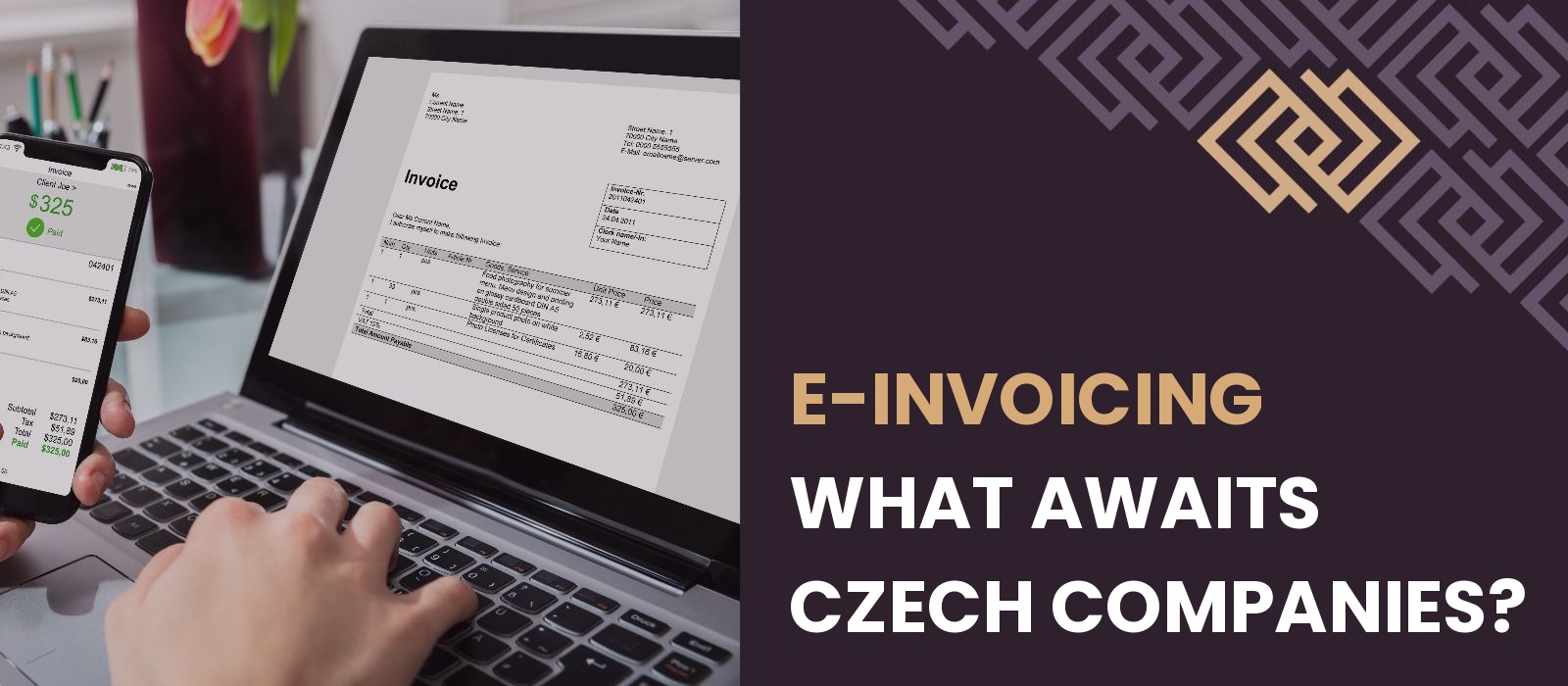
In Poland, businesses have been required to issue invoices through the national KSeF system since 2026, and in Slovakia mandatory e-invoicing under eFaktúra starts on 1 January 2027. The Czech Republic has no general requirement yet, but the Czech Ministry of Finance has started preparing businesses for e-invoicing. What exactly applies in the neighboring countries, when will the requirement reach the Czech Republic, and what does it mean for businesses trading with Poland or Slovakia? Here's what you need to know.
E-invoicing in practice: what applies to Czech businesses trading with Poland and Slovakia?
Invoicing Polish customers? Only businesses with a registered office or a fixed establishment in Poland must invoice through KSeF. A Czech business without a fixed establishment in Poland can keep invoicing Polish customers as before.
Buying from Polish suppliers? Your Polish supplier issues the invoice in KSeF and sends it to you outside the system as agreed, typically as a PDF with a QR code. Nothing changes on your side. Just check that the invoice carries the QR code. When you pay a Polish supplier, you don't need to include the KSeF invoice number in the payment.
Invoicing Slovak customers from the Czech Republic? The Slovak requirement from 2027 applies to domestic supplies by Slovak VAT payers. Regular cross-border supplies from the Czech Republic to Slovakia are not covered until 2030. Your Slovak customers will be used to e-invoices, though, and may ask for them.
Registered for VAT in Slovakia? If you have a warehouse there or make domestic supplies, for example, you may fall under the Slovak requirement from 1 January 2027. Get this situation assessed individually.
How to prepare for e-invoicing now – steps for Czech businesses
Even though no domestic requirement has been passed yet, it pays to start early. Most of the work is in systems and processes you can't change overnight:
- Check whether your invoicing or accounting software can issue and receive structured invoices compliant with EN 16931.
- List the countries you trade with and whether you are registered for VAT or have a fixed establishment there.
- Ask your Slovak and Polish partners how they will send you invoices and which format they expect from you.
- Clean up your customer data (VAT numbers, addresses, account numbers), because structured invoices don't tolerate errors.
- Plan for issuing cross-border invoices within 10 days of the supply from 1 July 2030.
- Watch for the Czech Ministry of Finance's draft law on domestic e-invoicing.
If you trade with Poland or Slovakia and aren't sure which requirements apply to you, we can help with VAT registration and compliance and with setting up your accounting.
Book a free consultation
Enter your email address to receive weekly guides to help you grow your business

E-invoicing in practice: what applies to Czech businesses trading with Poland and Slovakia?
Invoicing Polish customers? Only businesses with a registered office or a fixed establishment in Poland must invoice through KSeF. A Czech business without a fixed establishment in Poland can keep invoicing Polish customers as before.
Buying from Polish suppliers? Your Polish supplier issues the invoice in KSeF and sends it to you outside the system as agreed, typically as a PDF with a QR code. Nothing changes on your side. Just check that the invoice carries the QR code. When you pay a Polish supplier, you don't need to include the KSeF invoice number in the payment.
Invoicing Slovak customers from the Czech Republic? The Slovak requirement from 2027 applies to domestic supplies by Slovak VAT payers. Regular cross-border supplies from the Czech Republic to Slovakia are not covered until 2030. Your Slovak customers will be used to e-invoices, though, and may ask for them.
Registered for VAT in Slovakia? If you have a warehouse there or make domestic supplies, for example, you may fall under the Slovak requirement from 1 January 2027. Get this situation assessed individually.
How to prepare for e-invoicing now – steps for Czech businesses
Even though no domestic requirement has been passed yet, it pays to start early. Most of the work is in systems and processes you can't change overnight:
- Check whether your invoicing or accounting software can issue and receive structured invoices compliant with EN 16931.
- List the countries you trade with and whether you are registered for VAT or have a fixed establishment there.
- Ask your Slovak and Polish partners how they will send you invoices and which format they expect from you.
- Clean up your customer data (VAT numbers, addresses, account numbers), because structured invoices don't tolerate errors.
- Plan for issuing cross-border invoices within 10 days of the supply from 1 July 2030.
- Watch for the Czech Ministry of Finance's draft law on domestic e-invoicing.
If you trade with Poland or Slovakia and aren't sure which requirements apply to you, we can help with VAT registration and compliance and with setting up your accounting.
If you found this article helpful, explore our services and see how we can help you:
Summary
Summary: E-Invoicing in the Czech Republic: Poland Has KSeF, Slovakia Has eFaktúra. What's Next for Czech Businesses?
Poland has had mandatory e-invoicing through KSeF since 2026, and Slovakia launches eFaktúra on 1 January 2027. The Czech Republic has no general requirement yet. What is certain is that from 1 July 2030, Czech businesses must issue e-invoices for cross-border B2B supplies within the EU, and the Czech Ministry of Finance is considering e-invoicing for domestic transactions as a replacement for the VAT control statement.
A Czech business without a fixed establishment in Poland doesn't have to use KSeF, and regular supplies from the Czech Republic to Slovakia are outside the Slovak requirement until 2030. Businesses registered for VAT in Slovakia may be covered from 2027, though. It pays to start preparing your invoicing systems now.

Interested in this article?
Enter your email address and once a week you will receive practical materials and tips to help you grow your business.

Book a free consultation
Grow your business with accounting and advisory support:

or